The Beginning of Bitcoin
Introduction
Bitcoin is the first and most influential cryptocurrency ever created. Its emergence marked the beginning of a new era in digital finance and fundamentally changed how people think about money, value, and financial systems. The beginning of Bitcoin is not just a story about technology, but also about ideas such as decentralization, financial freedom, and trustless systems.
Bitcoin was introduced at a time when confidence in traditional financial institutions was declining. This article is written in a natural, handwritten-style tone and explains in detail the early history of Bitcoin, how it was founded, why it was created, and how it evolved into a global digital asset.
The Background Before Bitcoin
Before Bitcoin existed, digital money was not a new idea. Several attempts had been made to create digital currencies, but most failed due to centralization, security issues, or lack of trust.
In the early 2000s, the global financial system relied heavily on banks and intermediaries. Transactions required trust in third parties, and financial access was limited for many people around the world.
The global financial crisis of 2008 exposed weaknesses in the traditional banking system. Bank failures, bailouts, and economic instability caused many people to question the reliability of centralized financial institutions. This environment created the perfect conditions for a new alternative like Bitcoin.
Who Created Bitcoin
Bitcoin was created by an individual or group using the pseudonym Satoshi Nakamoto. To this day, the true identity of Satoshi Nakamoto remains unknown.
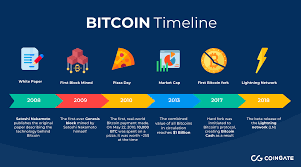
In October 2008, Satoshi Nakamoto published a white paper titled “Bitcoin: A Peer-to-Peer Electronic Cash System.” This document described a new digital currency that allowed online payments to be sent directly from one party to another without relying on a trusted third party.
The Bitcoin White Paper
The Bitcoin white paper is a foundational document that explains how Bitcoin works. It introduced key concepts such as blockchain technology, proof of work, and decentralized consensus.
The white paper proposed a solution to the double-spending problem, which had previously prevented the success of digital currencies. By using a distributed ledger and cryptographic verification, Bitcoin eliminated the need for a central authority.
The Launch of Bitcoin
Bitcoin officially began on January 3, 2009, when Satoshi Nakamoto mined the first block of the Bitcoin blockchain. This block is known as the Genesis Block.
Embedded in the Genesis Block was a message referencing a newspaper headline about bank bailouts. This message is widely interpreted as a statement about the motivation behind Bitcoin’s creation and a critique of the traditional financial system.
Early Development and Adoption
In the early days, Bitcoin had no market value. It was mainly used by developers and cryptography enthusiasts who were interested in the technology.
The first Bitcoin transaction took place between Satoshi Nakamoto and another developer named Hal Finney. These early users helped test and improve the Bitcoin network.
One of the most famous early Bitcoin events occurred in 2010, when a programmer used Bitcoin to purchase two pizzas. This transaction demonstrated that Bitcoin could be used as a medium of exchange.
Challenges in the Early Years
Bitcoin faced many challenges in its early years. It was largely misunderstood, and many people doubted its usefulness and legitimacy.
Security concerns, limited infrastructure, and lack of regulation created uncertainty. Exchanges were vulnerable, and users needed technical knowledge to store and manage Bitcoin safely.
Despite these challenges, the Bitcoin network continued to grow as more developers and users joined.
The Philosophy Behind Bitcoin
Bitcoin was built on principles of decentralization, transparency, and censorship resistance. It allows users to transact without permission from banks or governments.
The fixed supply of 21 million Bitcoins was designed to prevent inflation and protect purchasing power over time.
These principles attracted supporters who believed in financial sovereignty and open financial systems.
Bitcoin’s Early Community
The early Bitcoin community consisted of developers, miners, and enthusiasts who believed in the project’s vision.
Online forums and mailing lists played a crucial role in sharing information, solving technical issues, and promoting adoption.
This community-driven development helped Bitcoin survive its early stages.
From Experiment to Asset
Over time, Bitcoin evolved from an experimental digital currency into a recognized financial asset.
As awareness grew, more people began to see Bitcoin as a store of value rather than just a payment system.
Exchanges, wallets, and supporting infrastructure developed, making Bitcoin more accessible.
The Impact of Bitcoin’s Beginning
The creation of Bitcoin inspired thousands of other cryptocurrencies and blockchain projects.
Bitcoin introduced blockchain technology, which is now used in various industries beyond finance.
Its beginning marked the start of decentralized finance and digital asset innovation.
Lessons from the Early History of Bitcoin
Bitcoin’s early history teaches important lessons about innovation, resilience, and the power of ideas.
Despite skepticism and obstacles, Bitcoin survived because of its strong fundamentals and community support.
Understanding Bitcoin’s beginnings helps investors and users appreciate its value and long-term potential.
Conclusion
The beginning of Bitcoin represents a revolutionary moment in financial history. What started as an idea shared through a white paper has grown into a global digital asset and alternative financial system.
By understanding how Bitcoin was founded and the principles behind it, we gain deeper insight into why Bitcoin continues to attract attention and influence the world of finance.
The Beginning of Bitcoin
Introduction
Bitcoin is the first and most influential cryptocurrency ever created. Its emergence marked the beginning of a new era in digital finance and fundamentally changed how people think about money, value, and financial systems. The beginning of Bitcoin is not just a story about technology, but also about ideas such as decentralization, financial freedom, and trustless systems.
Bitcoin was introduced at a time when confidence in traditional financial institutions was declining. This article is written in a natural, handwritten-style tone and explains in detail the early history of Bitcoin, how it was founded, why it was created, and how it evolved into a global digital asset.
The Background Before Bitcoin
Before Bitcoin existed, digital money was not a new idea. Several attempts had been made to create digital currencies, but most failed due to centralization, security issues, or lack of trust.
In the early 2000s, the global financial system relied heavily on banks and intermediaries. Transactions required trust in third parties, and financial access was limited for many people around the world.
The global financial crisis of 2008 exposed weaknesses in the traditional banking system. Bank failures, bailouts, and economic instability caused many people to question the reliability of centralized financial institutions. This environment created the perfect conditions for a new alternative like Bitcoin.
Who Created Bitcoin
Bitcoin was created by an individual or group using the pseudonym Satoshi Nakamoto. To this day, the true identity of Satoshi Nakamoto remains unknown.
In October 2008, Satoshi Nakamoto published a white paper titled “Bitcoin: A Peer-to-Peer Electronic Cash System.” This document described a new digital currency that allowed online payments to be sent directly from one party to another without relying on a trusted third party.
The Bitcoin White Paper
The Bitcoin white paper is a foundational document that explains how Bitcoin works. It introduced key concepts such as blockchain technology, proof of work, and decentralized consensus.
The white paper proposed a solution to the double-spending problem, which had previously prevented the success of digital currencies. By using a distributed ledger and cryptographic verification, Bitcoin eliminated the need for a central authority.
The Launch of Bitcoin
Bitcoin officially began on January 3, 2009, when Satoshi Nakamoto mined the first block of the Bitcoin blockchain. This block is known as the Genesis Block.
Embedded in the Genesis Block was a message referencing a newspaper headline about bank bailouts. This message is widely interpreted as a statement about the motivation behind Bitcoin’s creation and a critique of the traditional financial system.
Early Development and Adoption
In the early days, Bitcoin had no market value. It was mainly used by developers and cryptography enthusiasts who were interested in the technology.
The first Bitcoin transaction took place between Satoshi Nakamoto and another developer named Hal Finney. These early users helped test and improve the Bitcoin network.
One of the most famous early Bitcoin events occurred in 2010, when a programmer used Bitcoin to purchase two pizzas. This transaction demonstrated that Bitcoin could be used as a medium of exchange.
Challenges in the Early Years
Bitcoin faced many challenges in its early years. It was largely misunderstood, and many people doubted its usefulness and legitimacy.
Security concerns, limited infrastructure, and lack of regulation created uncertainty. Exchanges were vulnerable, and users needed technical knowledge to store and manage Bitcoin safely.
Despite these challenges, the Bitcoin network continued to grow as more developers and users joined.
The Philosophy Behind Bitcoin
Bitcoin was built on principles of decentralization, transparency, and censorship resistance. It allows users to transact without permission from banks or governments.
The fixed supply of 21 million Bitcoins was designed to prevent inflation and protect purchasing power over time.
These principles attracted supporters who believed in financial sovereignty and open financial systems.
Bitcoin’s Early Community
The early Bitcoin community consisted of developers, miners, and enthusiasts who believed in the project’s vision.
Online forums and mailing lists played a crucial role in sharing information, solving technical issues, and promoting adoption.
This community-driven development helped Bitcoin survive its early stages.
From Experiment to Asset
Over time, Bitcoin evolved from an experimental digital currency into a recognized financial asset.
As awareness grew, more people began to see Bitcoin as a store of value rather than just a payment system.
Exchanges, wallets, and supporting infrastructure developed, making Bitcoin more accessible.
The Impact of Bitcoin’s Beginning
The creation of Bitcoin inspired thousands of other cryptocurrencies and blockchain projects.
Bitcoin introduced blockchain technology, which is now used in various industries beyond finance.
Its beginning marked the start of decentralized finance and digital asset innovation.
Lessons from the Early History of Bitcoin
Bitcoin’s early history teaches important lessons about innovation, resilience, and the power of ideas.
Despite skepticism and obstacles, Bitcoin survived because of its strong fundamentals and community support.
Understanding Bitcoin’s beginnings helps investors and users appreciate its value and long-term potential.
Conclusion
The beginning of Bitcoin represents a revolutionary moment in financial history. What started as an idea shared through a white paper has grown into a global digital asset and alternative financial system.
By understanding how Bitcoin was founded and the principles behind it, we gain deeper insight into why Bitcoin continues to attract attention and influence the world of finance.
The Beginning of Bitcoin
Introduction
Bitcoin is the first and most influential cryptocurrency ever created. Its emergence marked the beginning of a new era in digital finance and fundamentally changed how people think about money, value, and financial systems. The beginning of Bitcoin is not just a story about technology, but also about ideas such as decentralization, financial freedom, and trustless systems.
Bitcoin was introduced at a time when confidence in traditional financial institutions was declining. This article is written in a natural, handwritten-style tone and explains in detail the early history of Bitcoin, how it was founded, why it was created, and how it evolved into a global digital asset.
The Background Before Bitcoin
Before Bitcoin existed, digital money was not a new idea. Several attempts had been made to create digital currencies, but most failed due to centralization, security issues, or lack of trust.
In the early 2000s, the global financial system relied heavily on banks and intermediaries. Transactions required trust in third parties, and financial access was limited for many people around the world.
The global financial crisis of 2008 exposed weaknesses in the traditional banking system. Bank failures, bailouts, and economic instability caused many people to question the reliability of centralized financial institutions. This environment created the perfect conditions for a new alternative like Bitcoin.
Who Created Bitcoin
Bitcoin was created by an individual or group using the pseudonym Satoshi Nakamoto. To this day, the true identity of Satoshi Nakamoto remains unknown.
In October 2008, Satoshi Nakamoto published a white paper titled “Bitcoin: A Peer-to-Peer Electronic Cash System.” This document described a new digital currency that allowed online payments to be sent directly from one party to another without relying on a trusted third party.
The Bitcoin White Paper
The Bitcoin white paper is a foundational document that explains how Bitcoin works. It introduced key concepts such as blockchain technology, proof of work, and decentralized consensus.
The white paper proposed a solution to the double-spending problem, which had previously prevented the success of digital currencies. By using a distributed ledger and cryptographic verification, Bitcoin eliminated the need for a central authority.
The Launch of Bitcoin
Bitcoin officially began on January 3, 2009, when Satoshi Nakamoto mined the first block of the Bitcoin blockchain. This block is known as the Genesis Block.
Embedded in the Genesis Block was a message referencing a newspaper headline about bank bailouts. This message is widely interpreted as a statement about the motivation behind Bitcoin’s creation and a critique of the traditional financial system.
Early Development and Adoption
In the early days, Bitcoin had no market value. It was mainly used by developers and cryptography enthusiasts who were interested in the technology.
The first Bitcoin transaction took place between Satoshi Nakamoto and another developer named Hal Finney. These early users helped test and improve the Bitcoin network.
One of the most famous early Bitcoin events occurred in 2010, when a programmer used Bitcoin to purchase two pizzas. This transaction demonstrated that Bitcoin could be used as a medium of exchange.
Challenges in the Early Years
Bitcoin faced many challenges in its early years. It was largely misunderstood, and many people doubted its usefulness and legitimacy.
Security concerns, limited infrastructure, and lack of regulation created uncertainty. Exchanges were vulnerable, and users needed technical knowledge to store and manage Bitcoin safely.
Despite these challenges, the Bitcoin network continued to grow as more developers and users joined.
The Philosophy Behind Bitcoin
Bitcoin was built on principles of decentralization, transparency, and censorship resistance. It allows users to transact without permission from banks or governments.
The fixed supply of 21 million Bitcoins was designed to prevent inflation and protect purchasing power over time.
These principles attracted supporters who believed in financial sovereignty and open financial systems.
Bitcoin’s Early Community
The early Bitcoin community consisted of developers, miners, and enthusiasts who believed in the project’s vision.
Online forums and mailing lists played a crucial role in sharing information, solving technical issues, and promoting adoption.
This community-driven development helped Bitcoin survive its early stages.
From Experiment to Asset
Over time, Bitcoin evolved from an experimental digital currency into a recognized financial asset.
As awareness grew, more people began to see Bitcoin as a store of value rather than just a payment system.
Exchanges, wallets, and supporting infrastructure developed, making Bitcoin more accessible.
The Impact of Bitcoin’s Beginning
The creation of Bitcoin inspired thousands of other cryptocurrencies and blockchain projects.
Bitcoin introduced blockchain technology, which is now used in various industries beyond finance.
Its beginning marked the start of decentralized finance and digital asset innovation.
Lessons from the Early History of Bitcoin
Bitcoin’s early history teaches important lessons about innovation, resilience, and the power of ideas.
Despite skepticism and obstacles, Bitcoin survived because of its strong fundamentals and community support.
Understanding Bitcoin’s beginnings helps investors and users appreciate its value and long-term potential.
Conclusion
The beginning of Bitcoin represents a revolutionary moment in financial history. What started as an idea shared through a white paper has grown into a global digital asset and alternative financial system.
By understanding how Bitcoin was founded and the principles behind it, we gain deeper insight into why Bitcoin continues to attract attention and influence the world of finance.
The Beginning of Bitcoin
Introduction
Bitcoin is the first and most influential cryptocurrency ever created. Its emergence marked the beginning of a new era in digital finance and fundamentally changed how people think about money, value, and financial systems. The beginning of Bitcoin is not just a story about technology, but also about ideas such as decentralization, financial freedom, and trustless systems.
Bitcoin was introduced at a time when confidence in traditional financial institutions was declining. This article is written in a natural, handwritten-style tone and explains in detail the early history of Bitcoin, how it was founded, why it was created, and how it evolved into a global digital asset.
The Background Before Bitcoin
Before Bitcoin existed, digital money was not a new idea. Several attempts had been made to create digital currencies, but most failed due to centralization, security issues, or lack of trust.
In the early 2000s, the global financial system relied heavily on banks and intermediaries. Transactions required trust in third parties, and financial access was limited for many people around the world.
The global financial crisis of 2008 exposed weaknesses in the traditional banking system. Bank failures, bailouts, and economic instability caused many people to question the reliability of centralized financial institutions. This environment created the perfect conditions for a new alternative like Bitcoin.
Who Created Bitcoin
Bitcoin was created by an individual or group using the pseudonym Satoshi Nakamoto. To this day, the true identity of Satoshi Nakamoto remains unknown.
In October 2008, Satoshi Nakamoto published a white paper titled “Bitcoin: A Peer-to-Peer Electronic Cash System.” This document described a new digital currency that allowed online payments to be sent directly from one party to another without relying on a trusted third party.
The Bitcoin White Paper
The Bitcoin white paper is a foundational document that explains how Bitcoin works. It introduced key concepts such as blockchain technology, proof of work, and decentralized consensus.
The white paper proposed a solution to the double-spending problem, which had previously prevented the success of digital currencies. By using a distributed ledger and cryptographic verification, Bitcoin eliminated the need for a central authority.
The Launch of Bitcoin
Bitcoin officially began on January 3, 2009, when Satoshi Nakamoto mined the first block of the Bitcoin blockchain. This block is known as the Genesis Block.
Embedded in the Genesis Block was a message referencing a newspaper headline about bank bailouts. This message is widely interpreted as a statement about the motivation behind Bitcoin’s creation and a critique of the traditional financial system.
Early Development and Adoption
In the early days, Bitcoin had no market value. It was mainly used by developers and cryptography enthusiasts who were interested in the technology.
The first Bitcoin transaction took place between Satoshi Nakamoto and another developer named Hal Finney. These early users helped test and improve the Bitcoin network.
One of the most famous early Bitcoin events occurred in 2010, when a programmer used Bitcoin to purchase two pizzas. This transaction demonstrated that Bitcoin could be used as a medium of exchange.
Challenges in the Early Years
Bitcoin faced many challenges in its early years. It was largely misunderstood, and many people doubted its usefulness and legitimacy.
Security concerns, limited infrastructure, and lack of regulation created uncertainty. Exchanges were vulnerable, and users needed technical knowledge to store and manage Bitcoin safely.
Despite these challenges, the Bitcoin network continued to grow as more developers and users joined.
The Philosophy Behind Bitcoin
Bitcoin was built on principles of decentralization, transparency, and censorship resistance. It allows users to transact without permission from banks or governments.
The fixed supply of 21 million Bitcoins was designed to prevent inflation and protect purchasing power over time.
These principles attracted supporters who believed in financial sovereignty and open financial systems.
Bitcoin’s Early Community
The early Bitcoin community consisted of developers, miners, and enthusiasts who believed in the project’s vision.
Online forums and mailing lists played a crucial role in sharing information, solving technical issues, and promoting adoption.
This community-driven development helped Bitcoin survive its early stages.
From Experiment to Asset
Over time, Bitcoin evolved from an experimental digital currency into a recognized financial asset.
As awareness grew, more people began to see Bitcoin as a store of value rather than just a payment system.
Exchanges, wallets, and supporting infrastructure developed, making Bitcoin more accessible.
The Impact of Bitcoin’s Beginning
The creation of Bitcoin inspired thousands of other cryptocurrencies and blockchain projects.
Bitcoin introduced blockchain technology, which is now used in various industries beyond finance.
Its beginning marked the start of decentralized finance and digital asset innovation.
Lessons from the Early History of Bitcoin
Bitcoin’s early history teaches important lessons about innovation, resilience, and the power of ideas.
Despite skepticism and obstacles, Bitcoin survived because of its strong fundamentals and community support.
Understanding Bitcoin’s beginnings helps investors and users appreciate its value and long-term potential.
Conclusion
The beginning of Bitcoin represents a revolutionary moment in financial history. What started as an idea shared through a white paper has grown into a global digital asset and alternative financial system.
By understanding how Bitcoin was founded and the principles behind it, we gain deeper insight into why Bitcoin continues to attract attention and influence the world of finance.
The Beginning of Bitcoin
Introduction
Bitcoin is the first and most influential cryptocurrency ever created. Its emergence marked the beginning of a new era in digital finance and fundamentally changed how people think about money, value, and financial systems. The beginning of Bitcoin is not just a story about technology, but also about ideas such as decentralization, financial freedom, and trustless systems.
Bitcoin was introduced at a time when confidence in traditional financial institutions was declining. This article is written in a natural, handwritten-style tone and explains in detail the early history of Bitcoin, how it was founded, why it was created, and how it evolved into a global digital asset.
The Background Before Bitcoin
Before Bitcoin existed, digital money was not a new idea. Several attempts had been made to create digital currencies, but most failed due to centralization, security issues, or lack of trust.
In the early 2000s, the global financial system relied heavily on banks and intermediaries. Transactions required trust in third parties, and financial access was limited for many people around the world.
The global financial crisis of 2008 exposed weaknesses in the traditional banking system. Bank failures, bailouts, and economic instability caused many people to question the reliability of centralized financial institutions. This environment created the perfect conditions for a new alternative like Bitcoin.
Who Created Bitcoin
Bitcoin was created by an individual or group using the pseudonym Satoshi Nakamoto. To this day, the true identity of Satoshi Nakamoto remains unknown.
In October 2008, Satoshi Nakamoto published a white paper titled “Bitcoin: A Peer-to-Peer Electronic Cash System.” This document described a new digital currency that allowed online payments to be sent directly from one party to another without relying on a trusted third party.
The Bitcoin White Paper
The Bitcoin white paper is a foundational document that explains
The Beginning of Bitcoin
•



Tinggalkan Balasan